Get THE APP

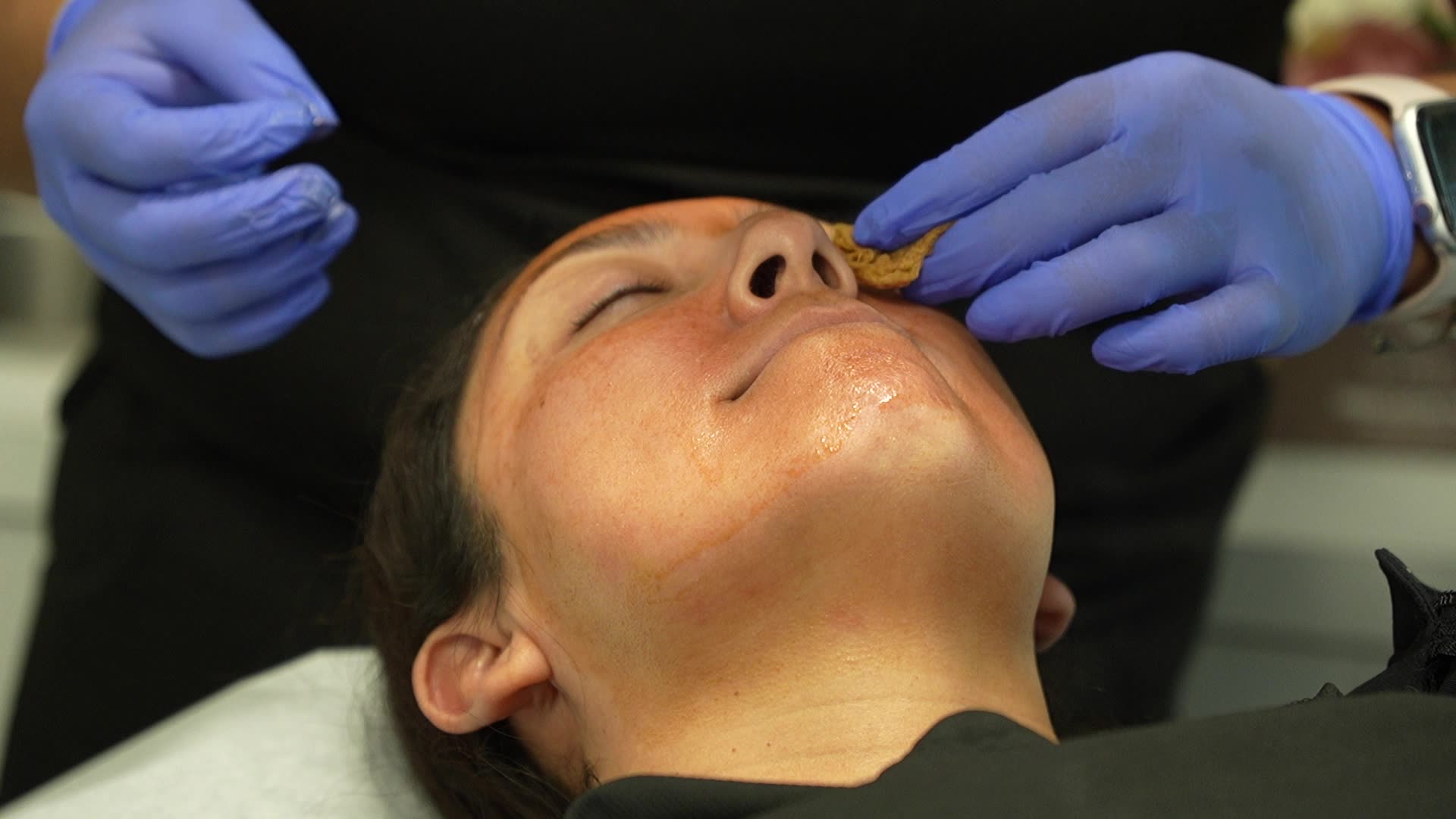
Chemical peels have a serious PR problem. They're either dismissed as "basic" or they're feared as terrifyingly aggressive treatments that leave you looking like a molting snake for two weeks.
In reality, chemical peels are one of the most versatile, results-driven treatments in aesthetic medicine. They just somehow fly under the radar, overshadowed by flashy lasers and injectables.
Interestingly, the way they work is not all that different to many lasers: via a controlled injury that triggers your skin's collagen response while simultaneously exfoliating damaged surface layers. Essentially, by creating the right amount of damage in the right layer of skin, your body does the rest. Only with no expensive equipment or cutting-edge technology; just chemistry and your skin's natural healing response.
Despite their effectiveness, chemical peels seem to fly under the radar, both from a consumer and a provider perspective (though for different reasons). But why are they so overlooked? On the consumer side, peels are thought of as both old school and ineffective and face-melting treatments that need weeks of downtime. Then you have the very human tendency to think “new” automatically equals “better” (especially with technology). So when new laser treatments started being touted by every “skinfluencer” on Instagram and TikTok, chemical peels got the short end of the stick.
Providers are naturally going to follow what the market wants. And those lasers aren’t cheap. To make it work for them from a business perspective, they can’t offer every single treatment and have to make decisions based on demand. Once they do, they’re obviously going to recommend the one they’ve invested in. That’s not to say laser treatments don’t work; they absolutely do, and providers genuinely want their clients to have great results, but like almost everything else in life, treatments aren’t one-size-fits-all. Will most laser treatments give you results? Probably. Will they be the best option for you, both in terms of results and cost? Maybe not.
Peels, on the other hand, have a much lower cost-to-results ratio and can work for just about every skin type. Especially if you’re not sure where to start when it comes to aesthetic treatments. And since they’re often not the go-to recommendation, it’s important to ask about them during your consultation (more on that below).
But not all peels are created equal, and understanding the differences is crucial to getting results without regrets.
Chemical peels are categorized by how deep they penetrate your skin. This determines your results, your downtime, your pain level, and whether you can go to brunch the next day or need to hide for a week.
Many people have an outdated notion of what happens in the days after a peel. Despite what you may have seen (looking at you, Samatha Jones), chemical peels do not equal scary raw skin. So let's talk about what actually happens after your peel:
GlowGuide Tip: Document the entire process with daily photos. It helps you see the progression and trust the process. Plus, when you're healed and seeing results, you'll want the evidence of the journey.
Managing post-treatment discomfort will mean babying your skin with a lot of TLC:
Trust your gut. If something feels wrong, contact your provider.
This is the question everyone wants a definitive answer to, but the truth is, it depends on your skin, your concerns, and your goals.
Superficial peels are best done as a series. One will give you a glow and subtle smoothness, but real, noticeable improvement in texture, pigmentation, and pore appearance comes from cumulative sessions.
Typical protocol: 4-6 treatments spaced 2-4 weeks apart, then maintenance every 1-3 months
With medium peels, most will get the best results from more than one treatment. But again, it depends on what you're treating and how your skin responds.
You might need just one if:
You'll likely need 2-3 if:
How to decide: Do one peel, track your results in GlowGuide with before/after photos, and reassess at 3 months. If you're thrilled, you're done. If you want more improvement, schedule another.
Deep peels are typically single treatments because they're so aggressive. You're creating significant injury and triggering major collagen remodeling. One treatment, done well, delivers dramatic results that can last years. There is a trade-off here: Highest risk, highest downtime, highest drama. But also potentially the most significant improvement.
This is what separates good results from great results. Many providers recommend "priming" your skin for 2-4 weeks before a medium or deep peel with:
While not required “priming” can improve results and safety, especially for darker skin tones, so definitely check with your provider.
This is the biggest risk for darker skin tones (Fitzpatrick IV-VI). PIH is when your skin responds to injury by producing more pigmentation instead of less.
How to minimize risk:
GlowGuide Tip: If you have darker skin, track which peel formulations and strengths your skin tolerates well. Build your data over time so you know your limits.
UV exposure during healing can:
The rules:
Seriously. You didn't pay for a peel just to ruin it with a weekend at the beach.
Unless your provider is priming your skin intentionally with a prescription retinoid, you need to stop using retinoids and exfoliating acids before your peel to avoid over-sensitizing your skin.
The typical protocol:
When to restart:
Chemical peels might seem simple, but application technique, peel selection, and timing matter enormously.
What to look for:
Red flags:
Setting realistic expectations is what leads to a good peel experience and will prevent a ton of frustration.
Chemical peels are excellent for:
Chemical peels have limits for:
When spaced appropriately to avoid overwhelming your skin, peels often work beautifully as part of a comprehensive treatment plan:
GlowGuide Tip: When you're layering multiple treatment types, tracking everything in one place becomes essential. Log each peel, laser, and injectable to see which combinations work best for your skin.
Chemical peels are often significantly more affordable than other treatments addressing similar concerns.
Chemical peels aren't flashy. They don't involve cutting-edge lasers or the new device du jour. They're usually not the treatment influencers are getting paid to promote. But they deserve to be recognized for what they are: versatile, results-driven, cost-effective treatments that genuinely improve skin.